Things you didn’t know about hand fans
The use of fans can be traced back to as early as the 4th century. Find out how rigid fans were replaced by folding ones and how these fans have become a popular decorative item.
The history of hand fans can be traced to a time as early as the 4th century BC. Ancient texts and archaeological ruins found in Egypt and Greece suggest the existence of hand fans at such an early date. The oldest known representation of hand fans in Egypt is on the ceremonial Hammer placed in the Asmolean Museum, Oxford. The hammer depicts a group of royals servants of which some were carrying fans. The Egyptian fans were huge and semicircular in shape. They were usually made of feathers and had long handles. They were used to blow air and drive insects away. |  Greek texts referred to these fans as rhipis, and there are paintings of Eros offering a fan and mirror to a lady on Ancient Greek Amphora.
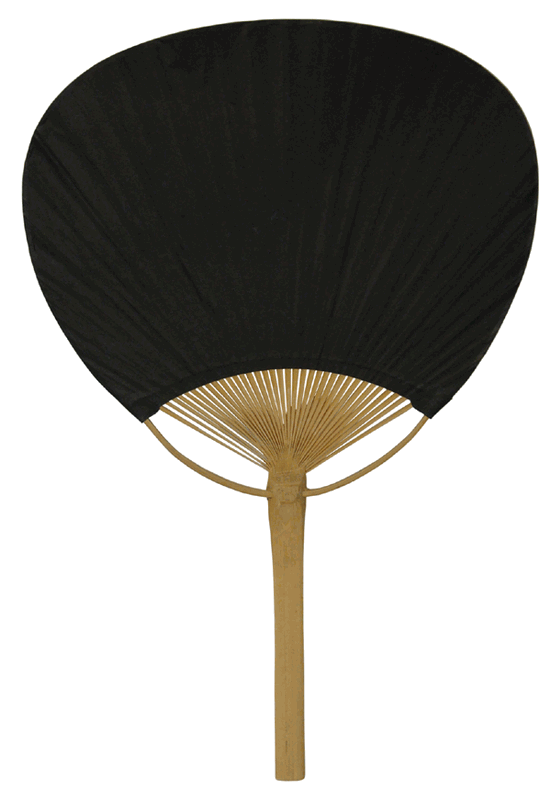
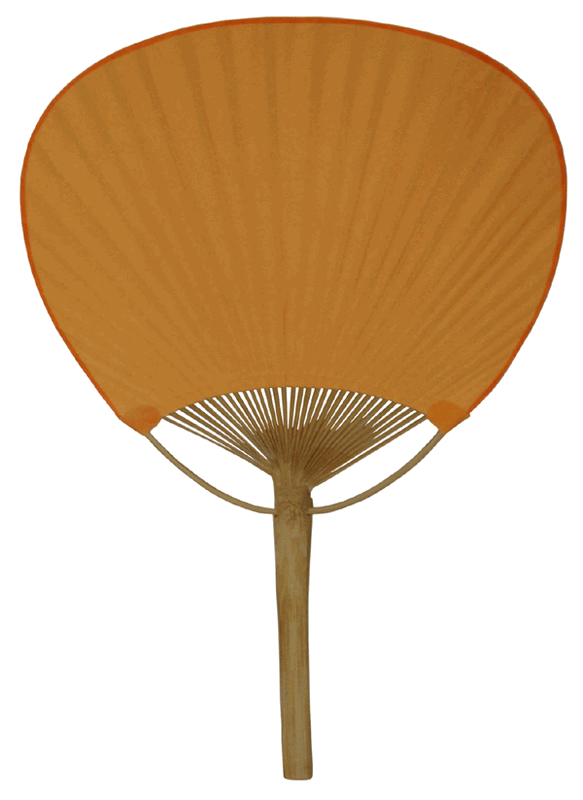
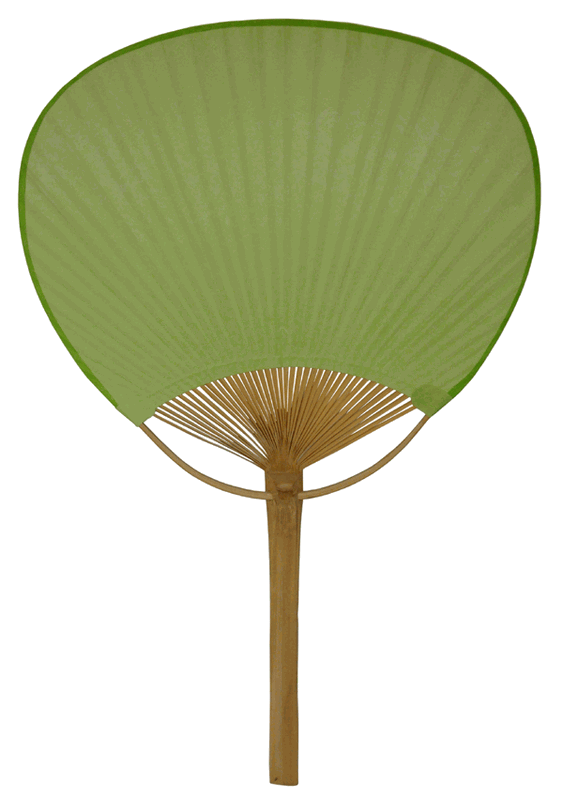
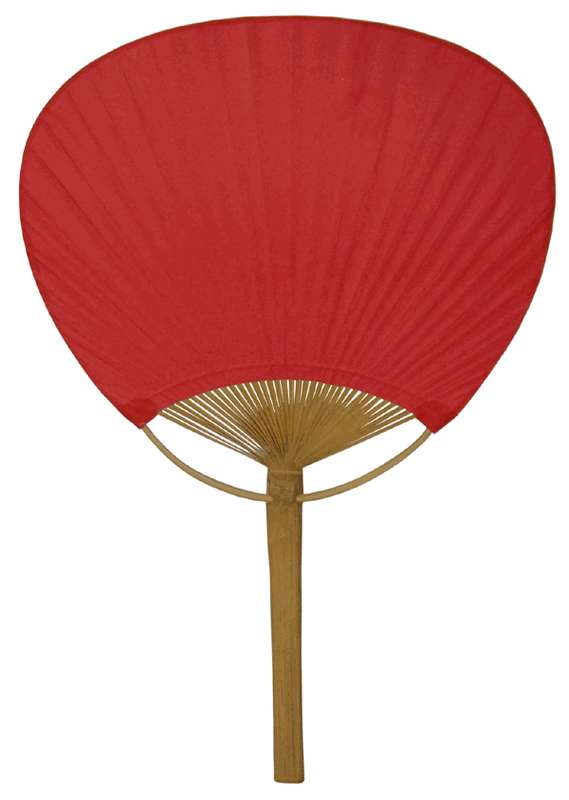
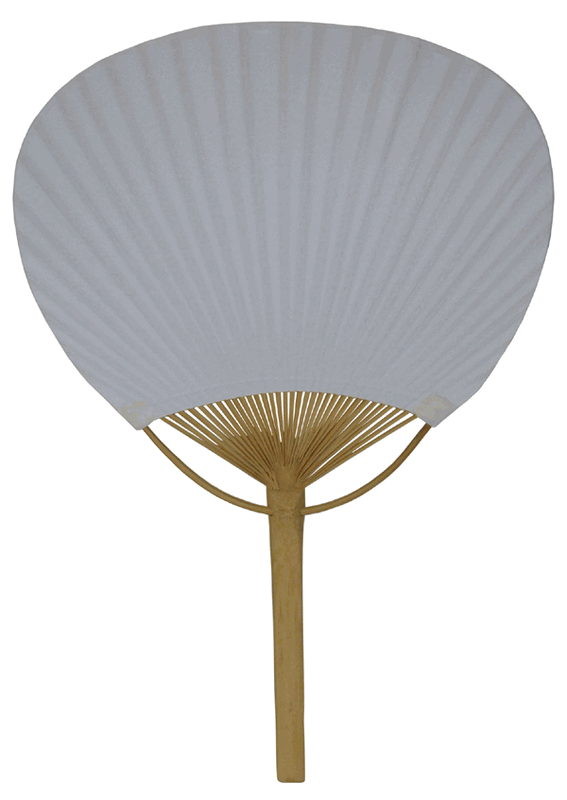
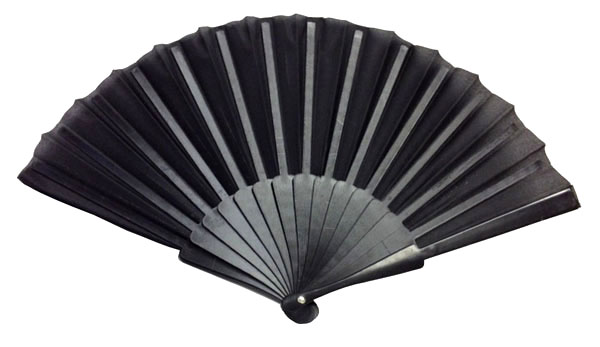
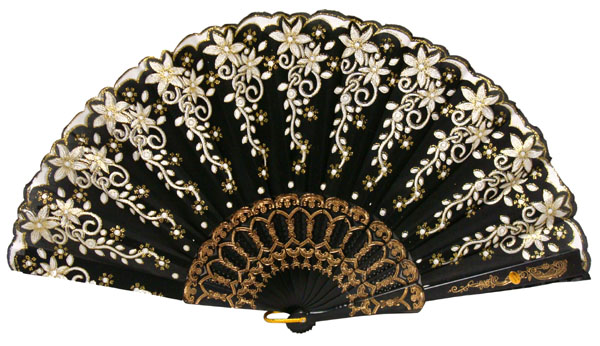
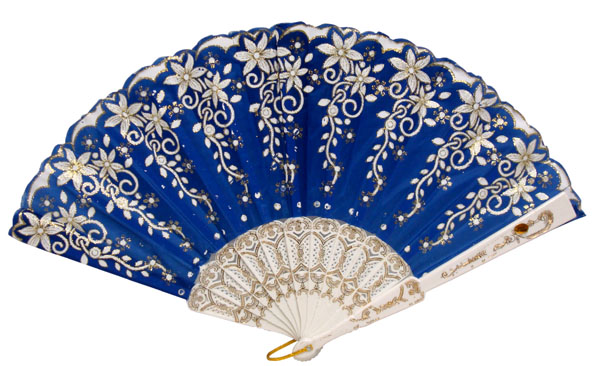
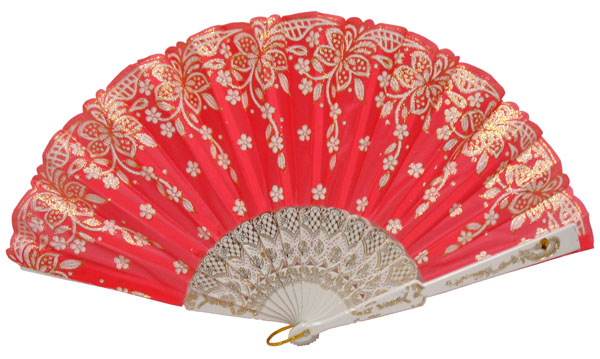
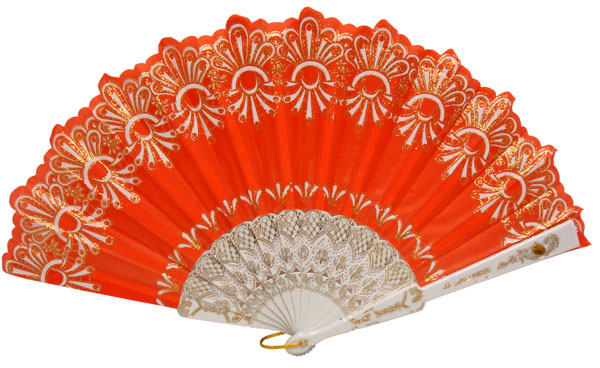
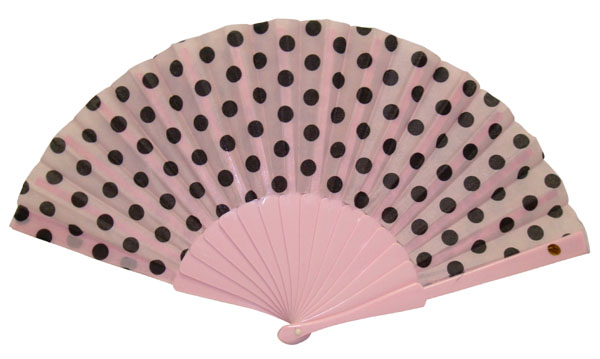
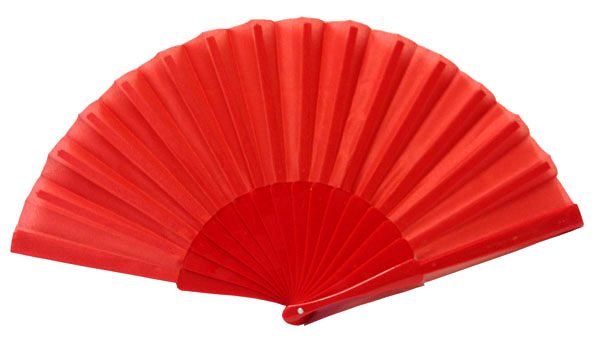
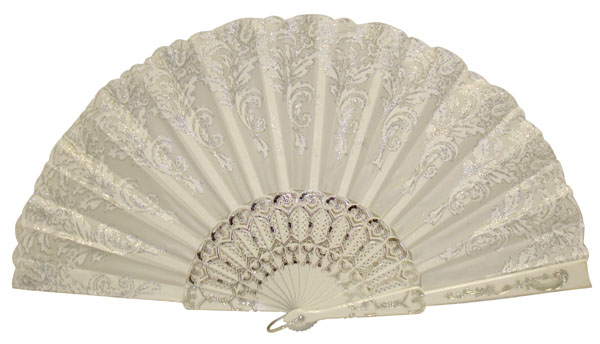
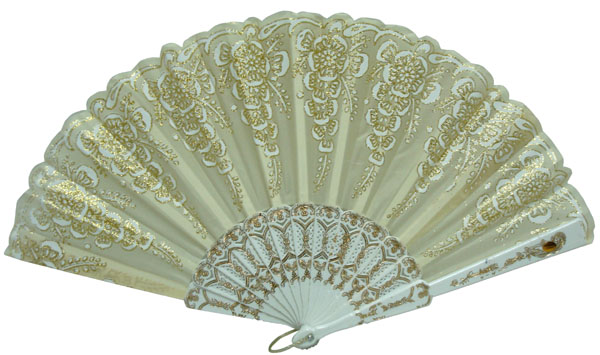
However, fixed fans can be traced back to the 2nd century BC in China. The Chinese hand fans appeared around the 7th century and were made of feathers mounted on handles. Over time, these feathers were replaced by silk, bamboo, parchment, paper etc. The Japanese too have been known to have learnt the art of making hand fans around the same time. In fact, they were the first to invent folding hand fans which were easy to carry. They too used beautifully painted fabric, parchment, etc to make fans. Some of their fans have been made with leaves (Japanese cypress) too. The origin of Buri palm hand fans has not yet been clearly identified. Nevertheless, hand fans made of woven bamboo leaves were used in India around 500 BC. They were made by weaving the fronds of the Buri palm tree or similar plant fiber like rattan, straw etc. In Hindustani, they were called punkah. Hand fans were introduced to the rest of Europe by the 13-15th century. Traders brought back exquisitely painted hand fans from China and Japan. These fans soon became a status symbol and well-bred women were taught how to use them. With the onset of Air conditioners and electric fans, hand fans slowly faded away in the modern era. Now, they have become a popular decorative item used at weddings, parties and outdoor events. Even today these come in a variety of materials like silk, handmade paper, rice paper, printed fabric, lace, etc. Some manufacturers also produce hand fans made of leaves like Buri palm hand fans, pineapple leaf fans, etc. Wedding planners use these hand fans as favors, decorative items and to provide a welcome relief from the heat for outdoor events. These fans can be purchased over the internet in bulk and are available in a wide variety of designs, patterns, colors, size and materials. A popular choice is the Buri palm hand fan made of plant fiber. They are now dyed in a whole range of colors, to go with any theme and are a perfect vintage gift as favors. Though times have changed, the whole purpose of a hand fan is not lost, these dainty fans have found multiple uses as name cards, wedding favors and of course, as a fan! Get attractive hand fans in a variety of materials including Buri palm hand fans for a good price at Justartifacts.net |